
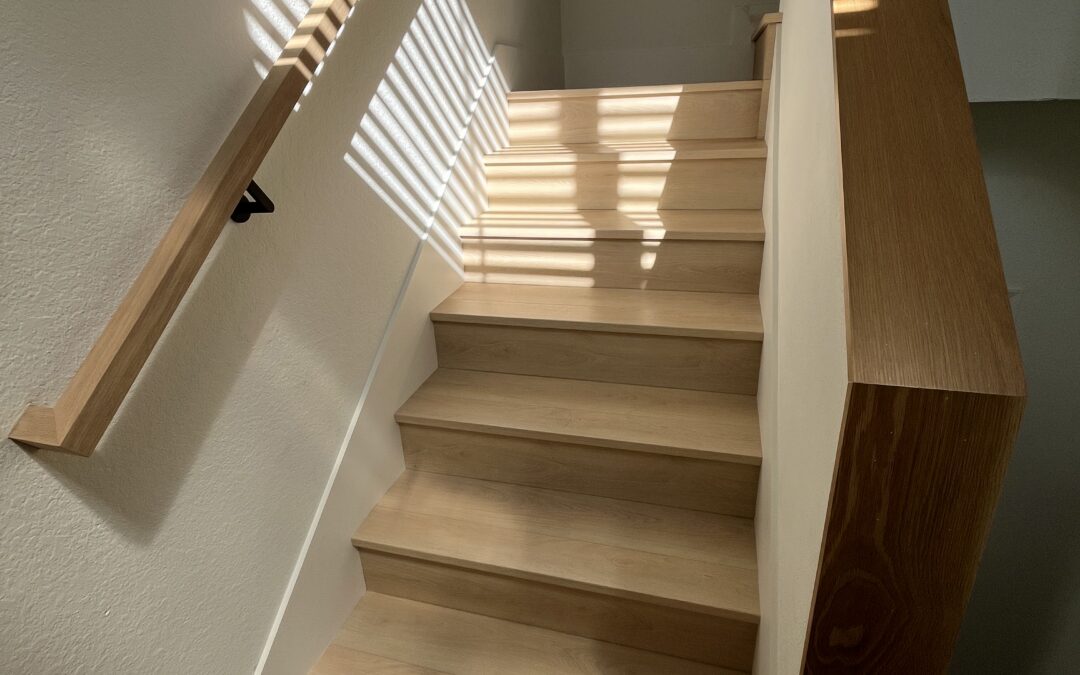
Best Wood Flooring for Southern California Homes
Choosing wood flooring for Southern California homes comes with a different set of considerations than most other parts of the country. The climate here is drier than the national average, temperatures stay mild year round, and many homes have concrete slab foundations. Those factors affect which products perform well over time and which ones create problems within the first few years of installation.
This guide covers what Southern California homeowners should know before selecting wood flooring, including how climate affects material choice, which species hold up best in this region, and what installation method works for your specific subfloor type.
How Southern California’s Climate Affects Wood Flooring
Wood is a hygroscopic material, meaning it absorbs and releases moisture in response to changes in the surrounding environment. When humidity rises, wood expands. When humidity drops, it contracts. In most of the country this cycle is dramatic enough that proper acclimation and installation are critical to preventing gaps, cupping, and warping.
In Southern California the humidity levels are relatively stable compared to coastal or humid climates, but they are also consistently low. According to the University of California Agriculture and Natural Resources division, average indoor relative humidity in Southern California homes frequently falls below the 30 to 50 percent range recommended for wood flooring stability. This means wood floors in this region are more likely to experience contraction and gapping than swelling, particularly during dry Santa Ana wind conditions in fall and winter.
The practical takeaway for homeowners is that wood flooring needs to be acclimated properly before installation, and maintaining consistent indoor humidity through the use of a humidifier during dry seasons significantly extends the life of the floor.
Solid Hardwood vs Engineered Wood in Southern California
This is the most common question homeowners ask when starting a wood flooring project, and in Southern California the answer is more straightforward than in other regions.
Solid hardwood is milled from a single piece of timber and can be sanded and refinished multiple times over its lifespan. It performs best when installed over wood subfloors and in spaces where humidity is relatively stable. In Southern California homes with wood subfloors and good climate control, solid hardwood is a strong long term investment.
Engineered wood is a better fit for the majority of Southern California homes for two reasons. First, a large percentage of homes in Orange County and the greater LA area were built on concrete slab foundations, and solid hardwood cannot be installed directly over concrete. Engineered wood can. Second, engineered wood’s layered plywood core makes it more dimensionally stable under the low humidity conditions common in this region, reducing the likelihood of gapping and movement over time.
For homes with concrete slab foundations, engineered wood is not just a compromise. It is the right product for the application.
Wood Species That Perform Well in This Region
Species selection affects hardness, appearance, and how the floor responds to everyday wear. In Southern California households, these are the most practical options:
Oak is the most widely installed domestic species and for good reason. It is hard enough to handle busy households, widely available, and works across a range of design styles from traditional to contemporary. White oak in particular has become the dominant choice in newer construction and remodels throughout Orange County due to its cleaner grain and compatibility with the neutral, warm palettes common in Southern California interiors.
Hickory is the hardest domestic option and carries natural color variation that works well in more rustic or warm design schemes. Its density makes it a strong performer in high traffic areas.
Maple is harder than oak with a more uniform, lighter appearance suited to contemporary and minimalist interiors. It shows less grain variation which works well when the goal is a clean, consistent floor.
Exotic species like Brazilian cherry and teak bring exceptional density and rich tones at a higher price point. Their hardness makes them highly resistant to denting and scratching, which appeals to households with pets or heavy foot traffic.
Installation Methods and Subfloor Considerations
The installation method for wood flooring depends on the subfloor type, the product selected, and the specific conditions of the space.
Nail down installation is the standard method for solid hardwood over wood subfloors. Planks are secured through the tongue using a pneumatic nailer at specific angles and spacing. This method is not appropriate over concrete.
Glue down installation is commonly used for engineered wood over concrete slabs. A full spread adhesive bonds the planks directly to the concrete surface, creating a stable connection that handles the low humidity conditions in Southern California well.
Floating installation works for engineered wood products with click lock or tongue and groove systems. Planks connect to each other rather than to the subfloor, allowing for some natural movement. This method works over both wood subfloors and concrete and is often the fastest to install.
Before any installation, subfloor preparation is essential. Concrete slabs need to be tested for moisture before wood flooring goes down. According to the Federal Housing Administration guidelines on residential construction standards, moisture levels in concrete subfloors must be within acceptable ranges before flooring installation to prevent adhesive failure and floor damage. A flat, clean, dry subfloor is the foundation of a wood floor that performs correctly for decades.
Finish and Maintenance Considerations for Southern California Homes
Site finished floors are sanded and sealed after installation, allowing for custom stain colors and seamless blending with existing flooring in adjacent rooms. The process takes additional time and creates temporary dust but gives homeowners full control over the final appearance.
Prefinished floors arrive with factory applied finishes that are typically harder and more durable than site applied finishes. Many prefinished products include aluminum oxide in the finish layer, which adds significant scratch resistance. These floors install ready to walk on the same day.
For maintenance in Southern California’s dry climate, using a humidifier during Santa Ana conditions helps prevent seasonal gapping. Regular sweeping or vacuuming removes grit that scratches the finish over time. When mopping is necessary, a damp rather than wet mop with a pH neutral wood floor cleaner is the right approach. Most wood floors benefit from refinishing every 10 to 20 years depending on wear, with solid hardwood allowing multiple refinishes over its lifespan.
Wood Flooring Southern California: Working With a Local Supplier and Installer
Selecting wood flooring from a local supplier in Anaheim or Orange County has practical advantages beyond convenience. A local team familiar with the specific conditions of Southern California homes, including slab foundations, dry climate considerations, and the design preferences common in this region, can give recommendations that an online retailer or big box store cannot.
City Tile & Cabinets has been supplying and installing wood flooring in Anaheim and throughout Orange County since 1998. Our in-house installation team handles every project from material selection through final installation, with direct experience across the full range of solid hardwood and engineered wood products that perform well in Southern California homes. Visit our Anaheim showroom to see species, grades, and finishes in person before making any decisions.